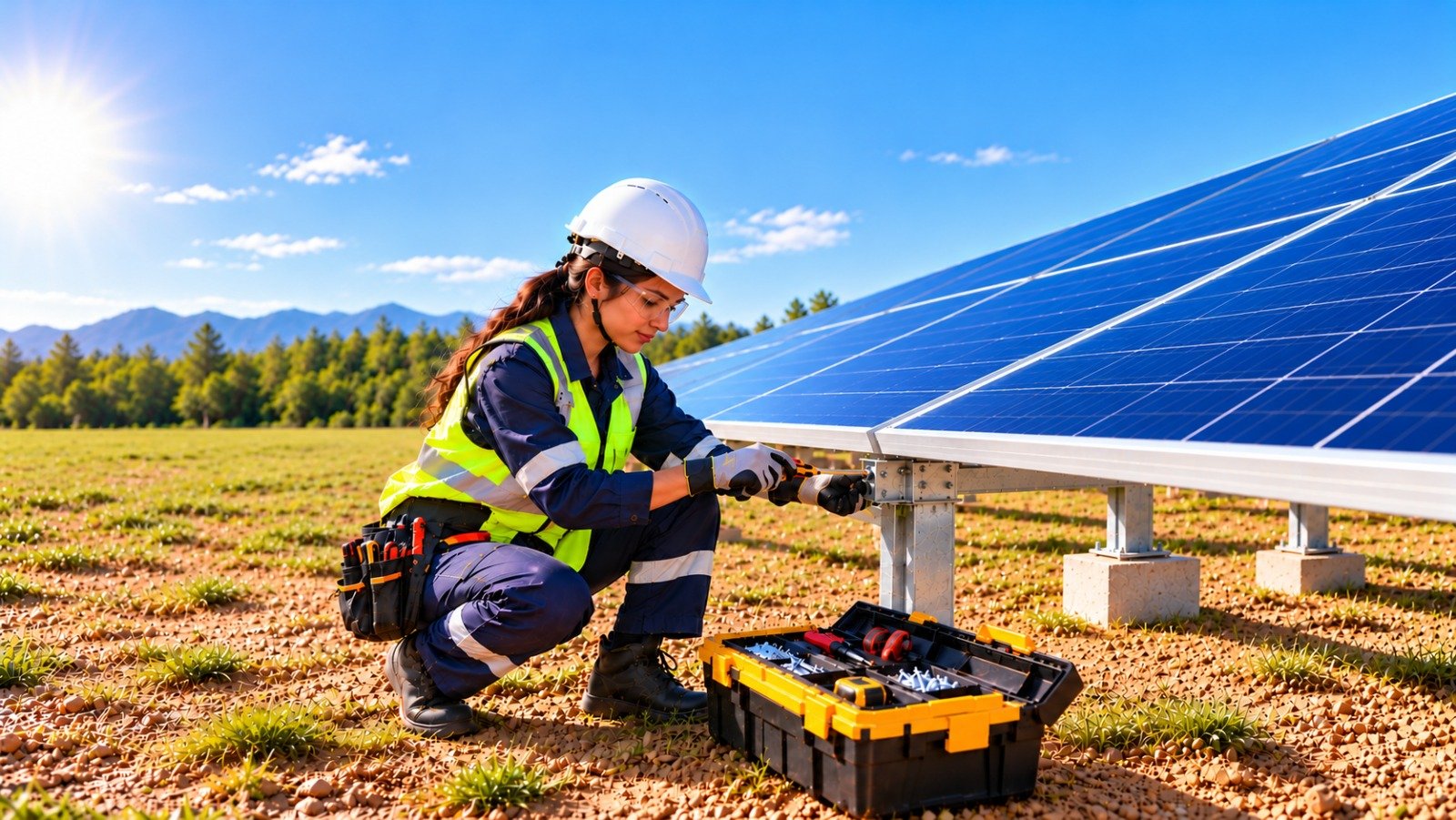
Women at GSES India
Some Barriers Don’t Break Loudly
The renewable energy sector has long been perceived as highly technical, demanding, and traditionally male-dominated. Yet, over the years, that landscape has been steadily evolving, not only through innovation and technology, but through the growing presence of women taking on responsibilities across leadership, operations, training, finance, and fieldwork.
At GSES India, this shift is reflected not just in conversations around inclusion, but in the organization’s everyday structure and culture itself. Today, women constitute nearly two-thirds of the organization’s workforce, while a significant share of leadership and senior management roles are also held by women. The impact of this becomes visible not merely through numbers, but through the journeys of women who have steadily grown into positions of responsibility, ownership, and leadership over time.
The journeys of Ms. Taniya Shaw and Ms. Priya Kumari reflect this progression clearly. While their professional paths began in very different spaces, both journeys demonstrate how responsibility, experience, and the right work environment can gradually transform potential into leadership.
For Ms. Taniya Shaw, the journey began with foundational responsibilities in accounts and administration. As an intern at GSES India, her initial work involved bookkeeping, maintaining records, and understanding operational systems. Reflecting on those early days, she shares, “Initially, I was made to work on basic accounts, like bookkeeping and record maintenance.”
At first, the work was process-driven and detail-oriented. But over time, those responsibilities expanded steadily into audits, compliances, stakeholder coordination, and complex operational processes involving banks and regulatory frameworks. What makes journeys like hers significant is not the speed of growth, but the consistency of trust placed along the way.
One of the defining moments in her journey came while handling an FDI-related transaction that required months of coordination and careful execution. Speaking about the experience, she recalls, “There was a lot of risk whether we would be able to do it or not… but finally, we did it.”

Today, as Manager, Admin and Accounts, Ms. Shaw oversees critical administrative and financial functions within the organization. Yet despite contributing across multiple operational areas, she continues to speak about her work with humility, noting that she “played a small role.”
Her journey reflects an important aspect of professional growth, leadership is often built gradually, through reliability, consistency, and opportunities to take ownership over time. In many ways, it also reflects the larger culture within the organization, where women are increasingly trusted with long-term responsibilities, reflected not only in representation across teams but also in strong promotion and retention rates for women employees.
The journey of Ms. Priya Kumari reflects another equally important shift within the renewable energy sector, the increasing participation of women in technical and field-based roles.
Beginning with engineering and analytical responsibilities, her work gradually expanded into feasibility studies, due diligence, inspections, and on-ground technical operations. In industries where fieldwork has traditionally seen lower female representation, such exposure plays an important role in normalizing women’s participation in operational and technical spaces.
Reflecting on her field experience, she says, “When you go on field, you get to see what’s actually happening… it’s very different from theory.”
Her work today involves site inspections, technical evaluations, and practical system analysis, giving her exposure far beyond conventional desk-based engineering functions. Speaking about perceptions around fieldwork, she remarks, “People think females are good with desktop jobs… but I am very much okay with field work.”
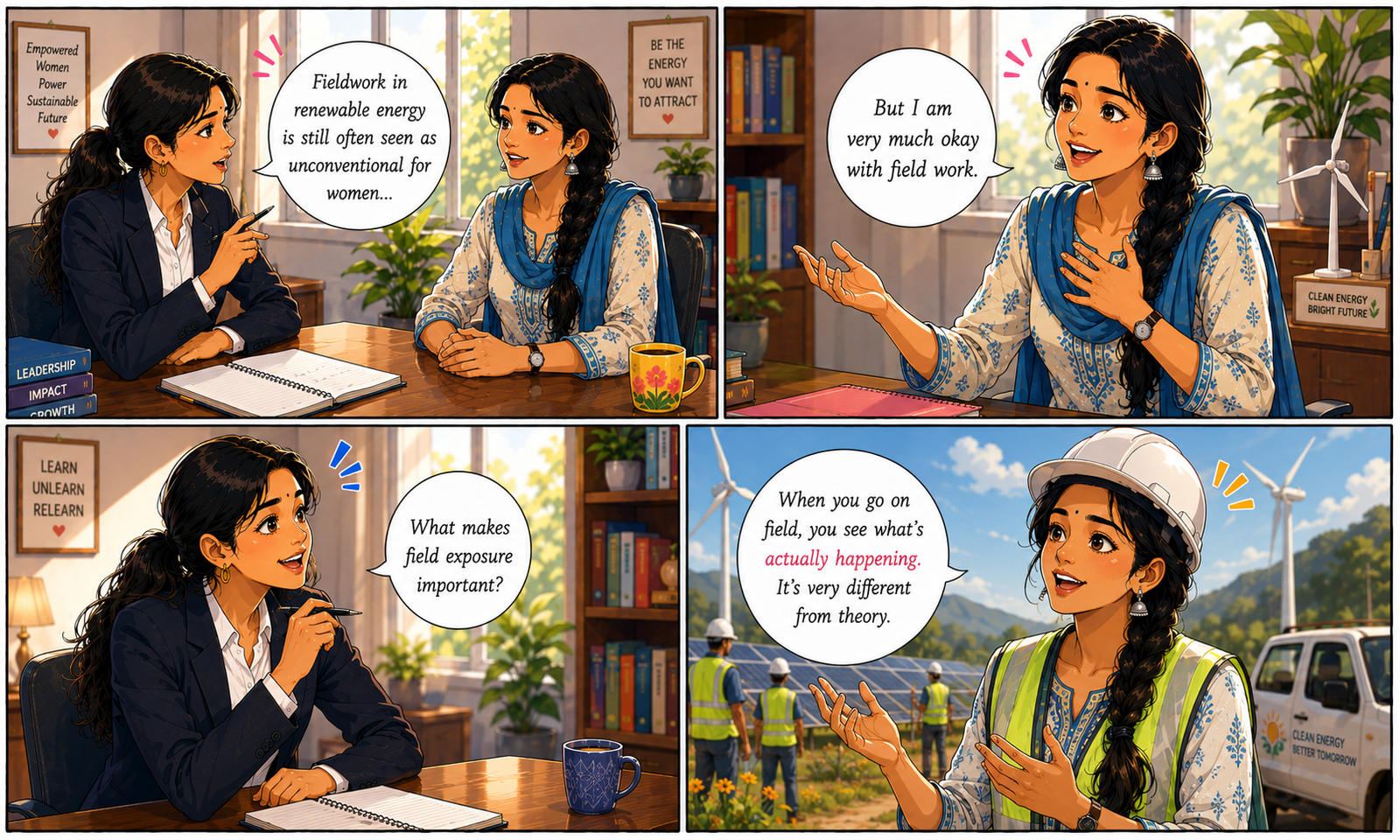
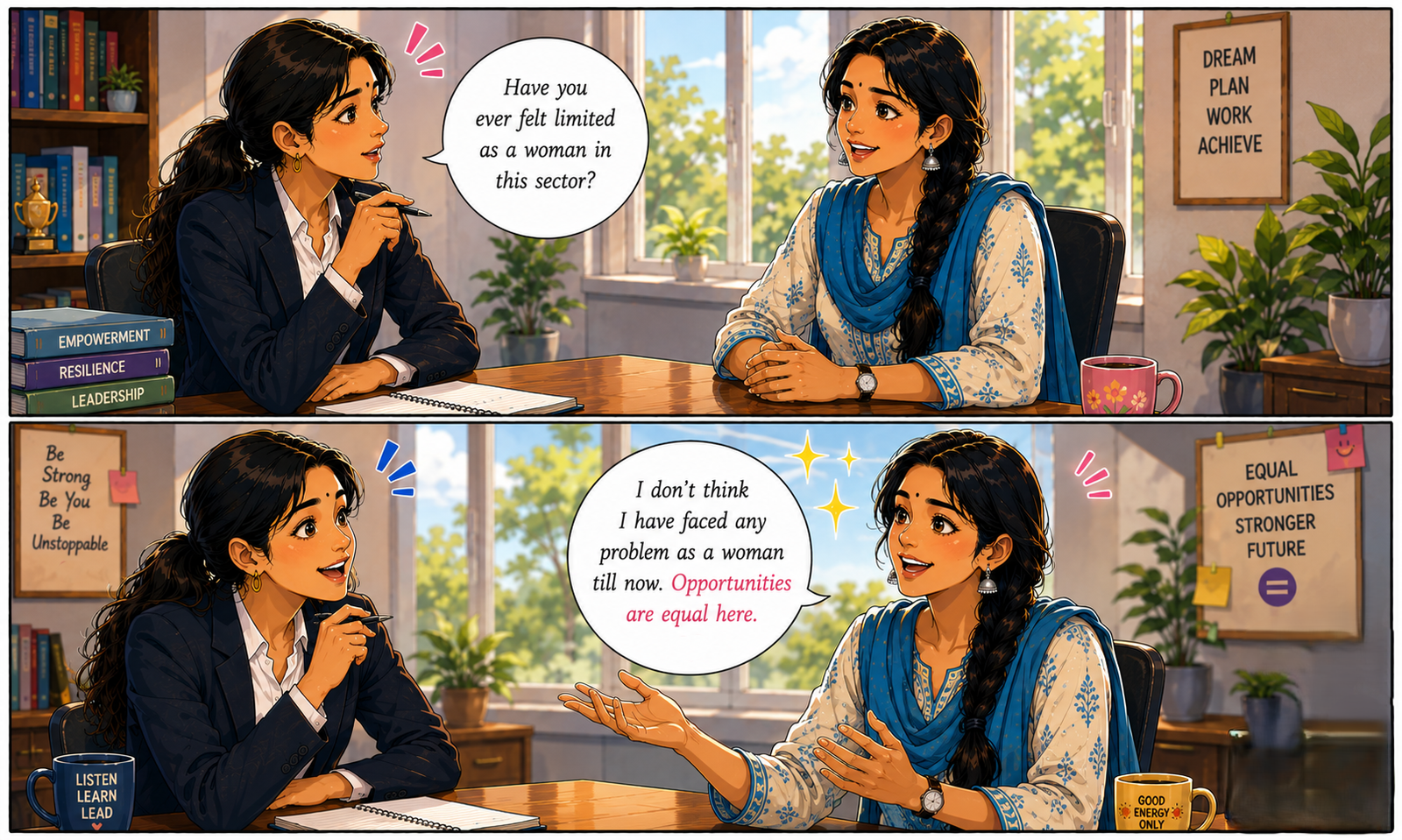
Today, as Project Manager, Ms. Kumari’s role reflects the growing visibility of women in technical leadership and operational functions within the sector. Importantly, her experience also highlights the role organizational culture plays in enabling equal participation. Speaking about her experience, she notes, “I don’t think I have faced any problem as a woman till now. Opportunities are equal here.”
That sense of equal participation becomes especially meaningful in industries where representation has historically been limited. It also reinforces the importance of creating environments where women are not only welcomed into technical sectors, but are encouraged to grow, stay, and lead within them over the long term. At GSES India, this is reflected in both the journeys of individuals and the broader organizational landscape, where women continue to hold significant representation across teams and leadership positions.
Together, the journeys of Ms. Taniya Shaw and Ms. Priya Kumari reflect how meaningful professional growth is often shaped by steady opportunities, practical exposure, and environments that encourage capability without limitation.
From an intern handling bookkeeping to managing critical operational and financial processes, and from engineering analysis to confidently leading technical fieldwork and projects, both journeys represent the evolving role of women within the renewable energy sector.
More importantly, they reflect how supportive and inclusive workplaces can gradually transform opportunity into long-term growth, responsibility, and leadership.