Lifecycle of PV Modules: Environmental, Health & Safety Risk Assessment
Introduction
Photovoltaic (PV) technology plays a crucial role in sustainable energy generation, offering significant advantages over conventional fossil-based systems. However, PV modules often contain hazardous materials such as lead, cadmium, selenium, and hexavalent chromium. If not managed properly, these substances can pose risks to human health and the environment, particularly during manufacturing, operation, and end-of-life stages.
A structured Environmental, Health & Safety (EH&S) Risk Assessment is therefore essential to ensure safe handling, sustainable manufacturing, and environmentally sound disposal of PV modules throughout their lifecycle. In alignment with this objective, this article elaborates on the key principles and framework outlined in IS/IEC TS 62994:2019, Photovoltaic (PV) Modules Through the Life Cycle- Environmental Health and Safety EHS Risk Assessment- General Principles and Nomenclature.
EH&S Risk Assessment: Core Concepts and Methodology
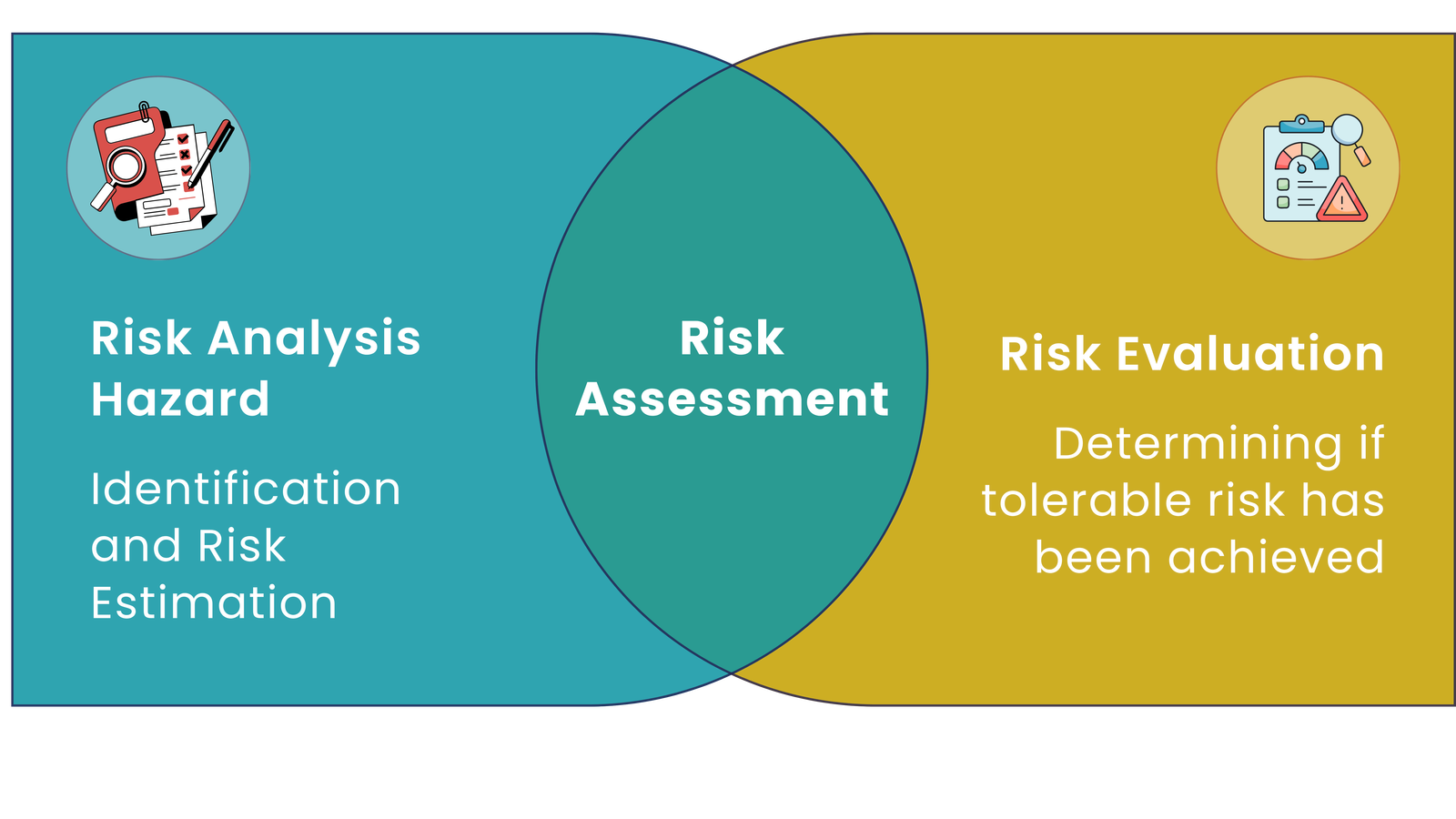
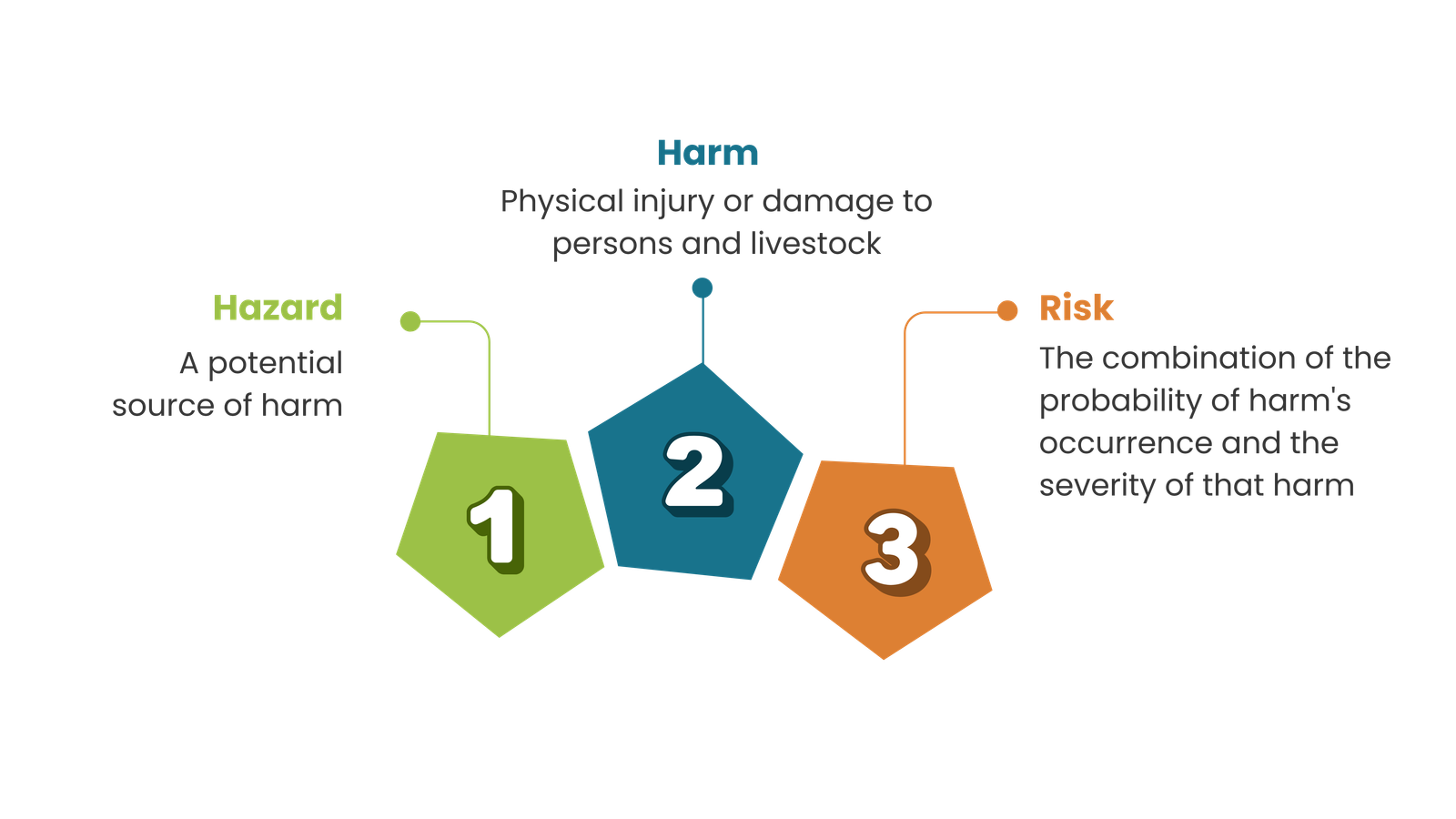
Key definitions fundamental to this framework include:
Dual Case Evaluation Methods
The evaluation methods for EH&S risk assessment based on the operational context, can be of two forms:
- Routine Operations (Foreseen Events): Use Life Cycle Assessment (LCA) to evaluate environmental impacts across all stages—manufacturing, operation, and end-of-life. This includes emissions from material processing, energy use, and recycling.
- Abnormal Non-routine Operation: The specialized Environmental Health & Risk Assessment (EHRA) method is applied. EHRA focuses on adverse health or environmental effects resulting from exposures to hazardous agents or situations, such as the accidental release of substances. The system analyzed under EHRA is limited to the PV module, its supply chain, operation, end-of-life treatment, and its direct electrical and mechanical interfaces with the balance of system components (e.g., inverters).
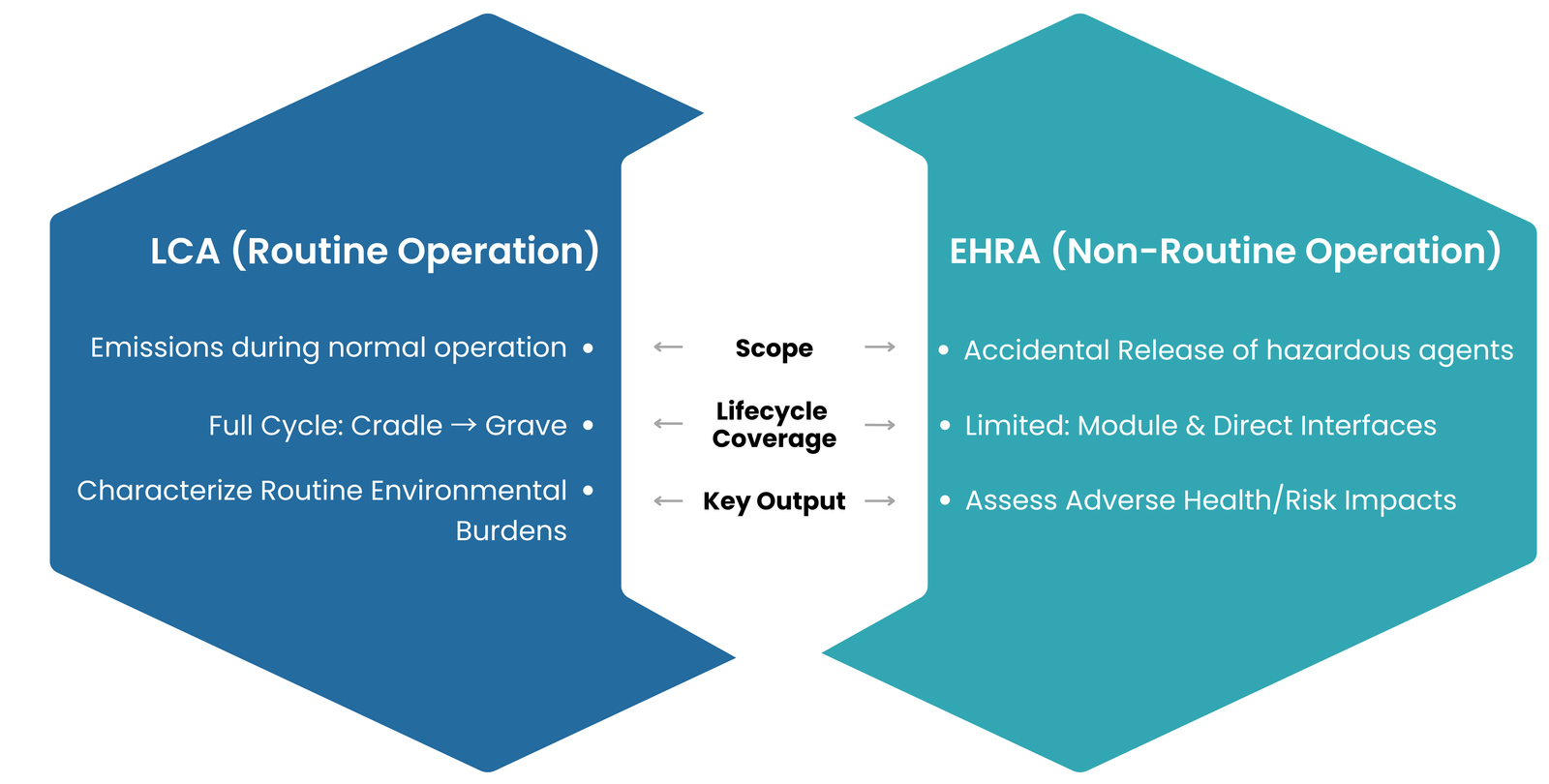
Environment Health & Risk Assessment (EHRA) of PV Module
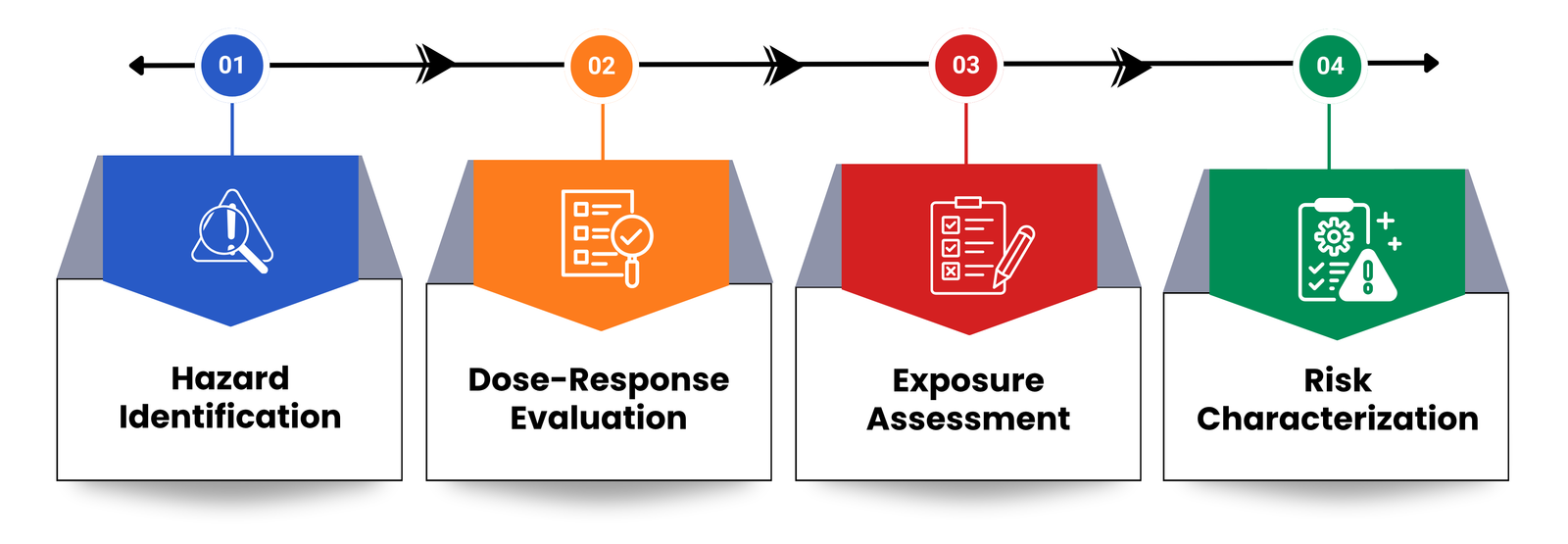
EHRA comprises four main steps:
- Hazard Identification
This step examines the potential of a substance to cause adverse health and environmental effects, using both toxicological data and complementary information like structure-activity analysis. Substances that are the subject of EH&S risk assessment include flammable, explosive, corrosive, or toxic materials.
In manufacturing, this includes process-related chemical and physical hazards. Hazards associated with specific PV technologies and semiconductor deposition processes include:
- Corrosive: Boron trifluoride, hydrofluoric acid, silicon tetrachloride and sodium hydroxide.
- Toxic: Lead, arsenic, cadmium, indium, selenium, and hexavalent chromium.
- Irritating/Harmful: Ammonia, hydrogen selenide, hydrogen sulfide, and phosphine.
- Flammable/Explosive: Hydrogen, silane, and methane.
- Asphyxiant: Argon, helium, and nitrogen trifluoride.
- Dose-Response Evaluation
This is the process for determining the quantitative relationship between exposure and the effects of concern. The determination of a dose-response relationship depends on several critical factors:
- The selection of appropriate extrapolation models.
- The availability of reliable information.
- The use of appropriate datasets selected from those that show the range of possible responses.
- The basis for selecting inter-species scaling factors to account for scaling doses from animal experiments to humans.
- The relevance of the exposure routes used in the studies (e.g., dermal, inhalation, ingestion) to the potential exposure routes and more.
- Exposure Assessment
This process quantitatively and/or qualitatively evaluates human or ecological exposure to hazardous substances, requiring a determination of the magnitude, frequency, extent, and duration of the exposure.
- Emissions: Potential emissions are evaluated during non-routine events such as fire, field breakage, or disposal of a PV module. For fire emissions, existing methodologies include the use of tube furnace and UL1256/ASTM E-90 fire test standards.
- Environmental Fate: Characterizes the movement and transformation of a chemical from the point of emission to the point of exposure, which can impact pathways such as soil, water, and air.
- Air Emissions: Fate is evaluated using methodologies for downwind dispersion, including Gaussian plume dispersion modeling.
- Soil/Water Emissions: Fate is evaluated using methodologies including soil-water partitioning coefficients for soil dispersion and dilution-attenuation factors for groundwater dispersion.
- Risk Characterization
Tolerable Risk: For human health risk, compliance is maintained by comparing risk to benchmarks like the Regional Screening Levels (RSL) database. For ecological risk, the Ecological Soil Screening Levels (Eco-SSL) database is used to determine acceptable thresholds.
The integration of EHRA results with the broader risk management process (including risk treatment, monitoring, and review) is crucial for the effective control of risk.
Integration of Risk Assessment and Risk Management
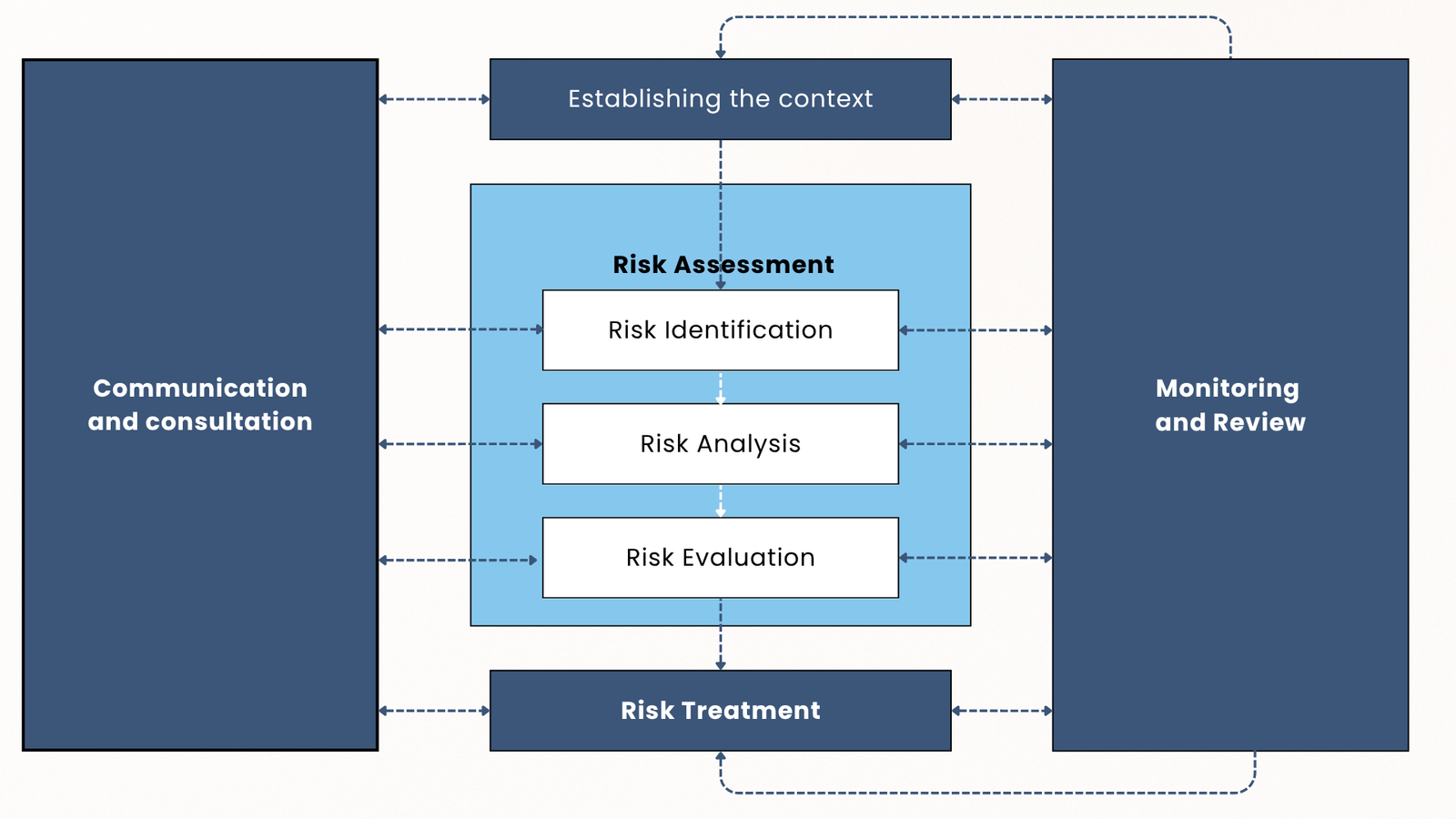
The risk assessment (comprising analysis and evaluation) must be closely linked with the risk management process for the effective control of risk. The results and information provide an improved understanding of risk to decision-makers and serve as a basis for adequate and effective controls.
The relationship between the assessment and management processes shows that the assessment provides a foundation for the subsequent, iterative steps of control and review. The overall process includes:
- Establishing the context
- Risk assessment (Identification, Analysis, and Evaluation)
- Risk treatment
- Communication and consultation
- Monitoring and review
Transparency and consistency in the assessment formulation and planning are crucial precursors to the formal steps of quantitative risk assessment and ensure better success.
EH&S Management System for PV Modules
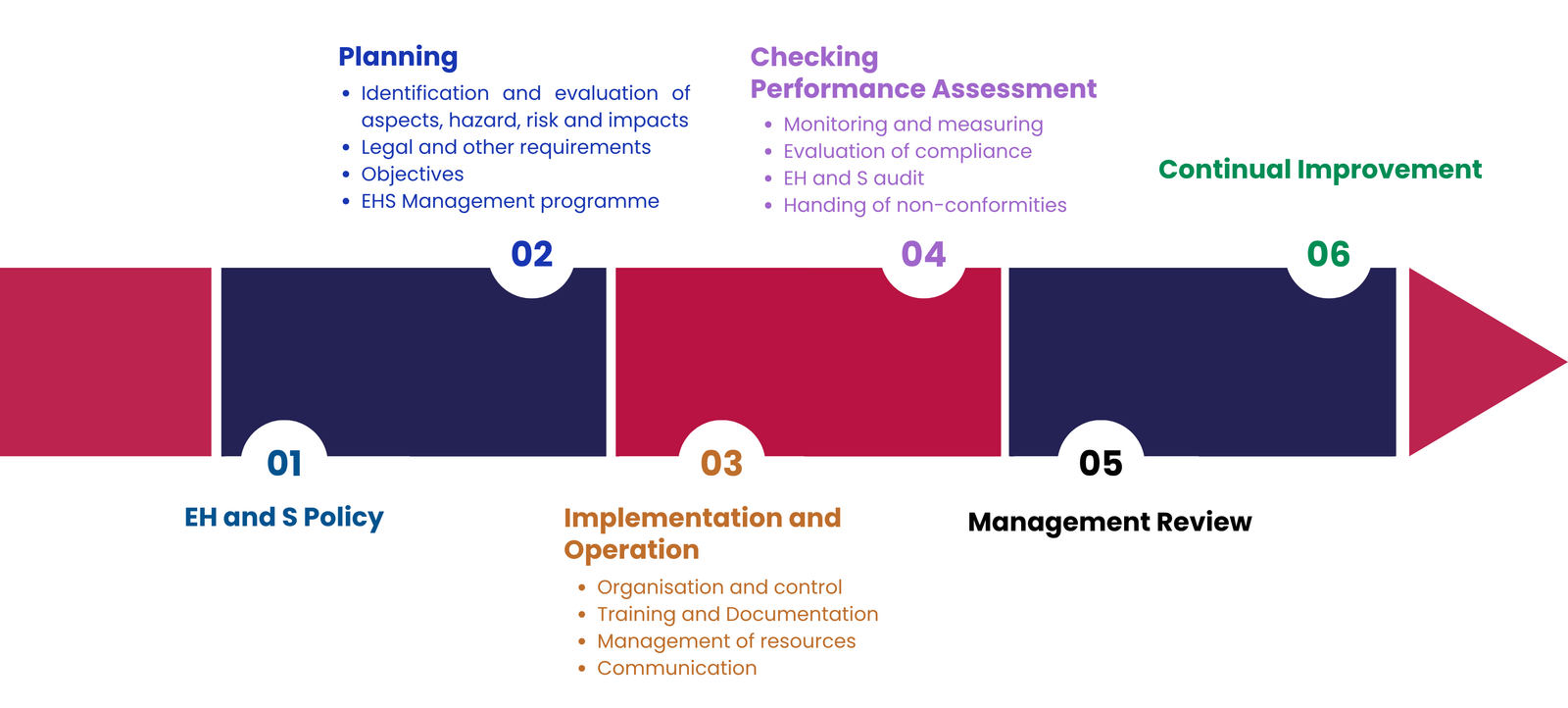
The EH&S management system is the structured process for systematically achieving a desired level of EH&S performance, and it involves planning, implementation, operation, checking, and management review to achieve continuous improvement.
Objectives and Principles
The EH&S management system is the process for systematically achieving a desired level of EH&S performance. It has two primary objectives:
- Prevention of incidents or accidents that might result from abnormal operating conditions.
- Reduction of adverse effects from routine operations.
- EH&S Policy
- Coordination with other organizational policies.
- Specific local or regional conditions.
- Life cycle thinking.
- Involvement and communication with interested parties.
- Work toward sustainable development.
- Planning
Planning is critical for determining and taking the actions needed to ensure the EH&S management system can achieve its intended outcomes. The organization’s planning should include:
- Recognition and determination of environmental and occupational health aspects.
- Compliance obligations and requirements that the organization must meet.
- EH&S objectives and planning to achieve those objectives.
- Implementation and Operation
An organization must determine the necessary resources for establishing, implementing, and maintaining the EH&S management system. Resources are comprehensive, including: Infrastructure, externally provided resources, information systems, competence, technology, financial, and human resources. A comprehensive approach for accident prevention involves multiple layers of protection:
- Safer Materials/Processes: Using safer forms of a chemical, or reducing on-site inventories.
- Accident Prevention: Options to prevent initiating events through safer designs or process hazard analysis.
- Safety Systems: Systems to prevent or minimize releases at the source, such as automatic shut-offs and cooling and containment systems.
- Accidental Release Capture: Systems to capture accidental releases, including secondary confinement, emergency-handling scrubbers, and incinerators.
- Minimize Human Exposure: Measures like separation zones, physical barriers, and emergency preparedness plans.
- Checking and Management Review
The EH&S management system requires systematic approaches for monitoring, measuring, analysis, and evaluation of EH&S performance.
- Checking: Internal audits are conducted to determine if the system conforms to planned arrangements and has been properly maintained and implemented.
- Management Review: An organization must periodically conduct a review of its EH&S system. Inputs to this review can include:
- Results of audit and evaluation of compliance obligations.
- Communication from external interested parties.
- EH&S performance of the organization.
- Status of corrective actions.
- Follow-up from previous management reviews.
- Recommendations for improvement.
Conclusion
The future of PV sustainability demands that EH&S Risk Assessment evolve into a dynamic, predictive framework. This requires the EHRA procedure’s data to be tightly integrated with the Risk Management Process for actionable controls. The comprehensive EH&S Management System must continuously translate policy into perpetual safety enhancement. This commitment ensures that the industry’s clean energy goals are anchored by a resilient and safe technology lifecycle.
Pingback: Lifecycle Assessment of PV Modules & Systems according to ISO Standards - GSES India